Table of contents
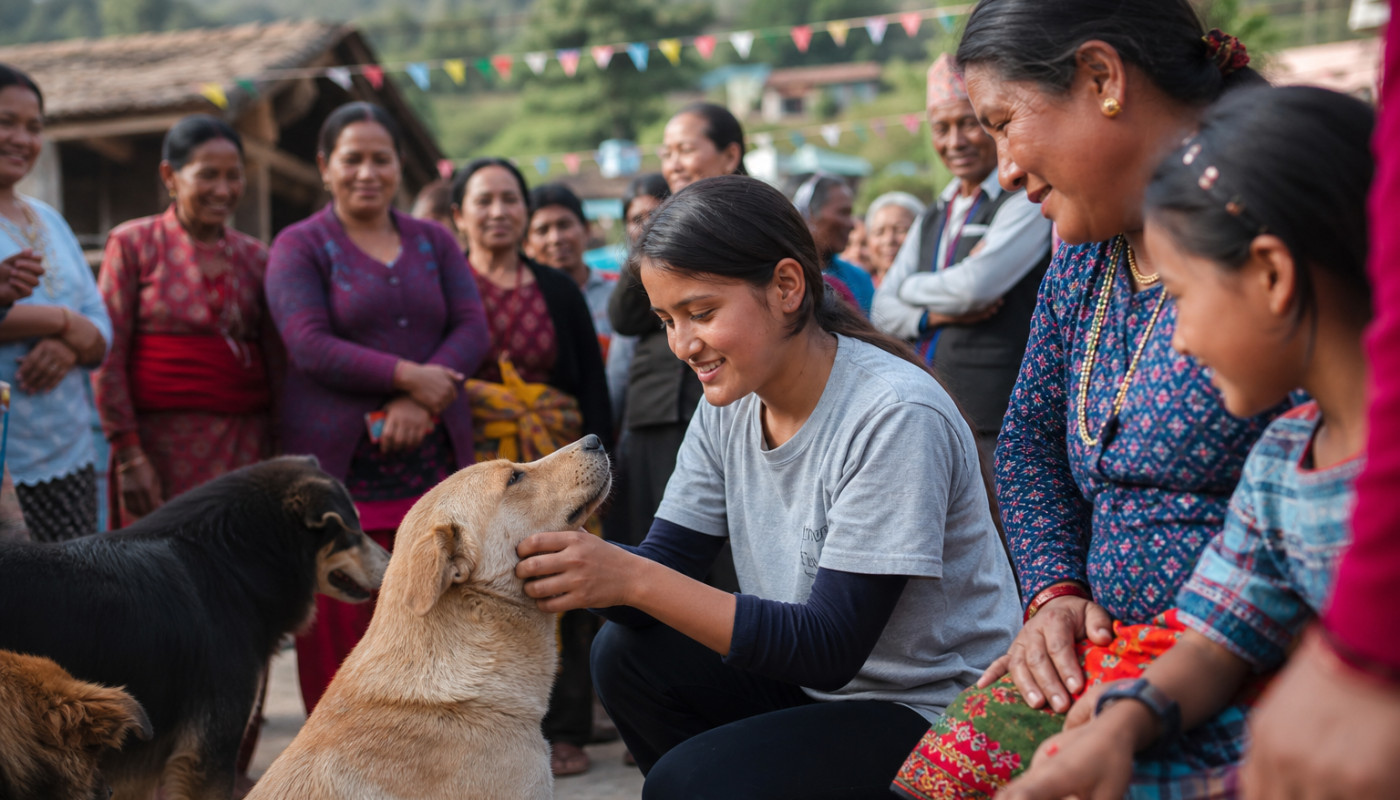
On a windy weekend each spring, the kind that usually sends people back indoors, a small village discovered it could do the opposite, step outside and rally around the animals that live alongside it. What began as a modest local festival has grown into an unexpected civic engine, nudging residents from passive sympathy to practical action. The shift is measurable, from higher volunteer sign-ups to more responsible pet ownership, and it offers a template for other communities wondering how to turn good intentions into lasting change.
A village party that changed habits
Who expects a festival to reshape daily routines? Yet that is what happened once stalls, talks and demonstrations stopped being background entertainment and became a shared public conversation, the kind that follows people home and keeps going on dog walks, in school gates chatter and at the local pub. The organisers did not start with abstract messaging, they started with very specific problems residents recognised, roaming cats with no microchips, “accidental” litters that were not accidental at all, and the quiet churn of pets surrendered because costs, housing rules or behaviour issues spiralled faster than owners expected.
The result was less a single weekend of awareness and more a yearly reset of expectations, with the festival acting like a deadline that local services could plan around and families could prepare for. In communities of this size, peer pressure is not a dirty word, it is a powerful tool, and the festival harnessed it in a constructive way, making responsible ownership visible and normal. When neutering advice, microchipping reminders and basic training tips are delivered face-to-face, and reinforced by neighbours saying “we did it last year,” uptake tends to follow; the same pattern has been observed repeatedly in public health campaigns, and the behavioural logic translates well to pets.
There are also hard numbers, not just warm stories. In the UK, microchipping has already been mainstream for years, but compliance is not universal, and the gap matters because reunification rates are dramatically higher when an animal is chipped and details are up to date. Dogs Trust has long reported that microchipped dogs are significantly more likely to be reunited quickly, while unchipped animals can end up stuck in kennels, stressing staff budgets and delaying space for emergencies. A village festival that turns “I’ll do it sometime” into “I did it” reduces that pressure downstream, and that is where the civic impact starts to show.
The money question, and the quiet trade-offs
Let us be honest: compassion often collapses at the checkout. The festival’s most effective sessions were not the emotional ones, they were the practical briefings on costs, from vaccinations and flea treatment to the less predictable bills that follow accidents, dental disease or chronic conditions. According to the PDSA’s long-running PAW Report, cost remains a major factor behind delayed veterinary visits and, in the worst cases, relinquishment. When households understand what “lifetime cost” really means, they are less likely to take on an animal impulsively, and more likely to budget, insure or seek help early rather than late.
That realism did not dampen enthusiasm, it sharpened it. Instead of telling residents to “care more,” the festival showed them where the system breaks, and how small interventions prevent bigger crises. Speakers explained why rescue organisations are squeezed by inflationary pressures, energy costs and rising vet fees, and why “just take one more” is not always possible when kennels are full and foster homes are stretched. Nationally, UK rescues have repeatedly warned about capacity issues, particularly since the cost-of-living crisis, with demand rising at the same time as donations become harder to secure. Seen through that lens, a local event that increases recurring donations or recruits a handful of foster carers is not symbolic, it is operationally meaningful.
It also reframed the community’s view of Animal welfare as more than kindness, because it is logistics, prevention and money, and pretending otherwise only pushes the burden onto overstretched charities. By putting budgeting tools, discount neutering information and responsible rehoming guidance into one place, the festival reduced the friction that often stops people acting, and it did so without preaching. That is a subtle point, but in a village setting it matters, because residents are quick to reject anything that feels like moral grandstanding, while they will embrace something that feels like a neighbourly hand on the shoulder and a clear plan.
From school gates to social media, a new norm
Culture changes when children bring it home. One of the festival’s most lasting effects came through schools, not because pupils were turned into miniature activists, but because animal care was taught as a set of responsibilities, and responsibilities are easier to practice than values are to perform. Simple lessons on recognising stress signals in dogs, giving cats safe indoor enrichment, and understanding why rabbits need space and companions, helped correct some of the UK’s most stubborn pet welfare misconceptions. The PDSA has highlighted for years that rabbits are frequently kept in conditions that fall short of their needs, often through ignorance rather than malice, and that gap is exactly where education can bite.
In parallel, the village’s online groups amplified the message, and not always in the polished way a national campaign might prefer. Neighbours posted reminders about fireworks and anxious pets, shared lost-and-found alerts with better information, and swapped recommendations for trainers who use reward-based methods rather than intimidation. The tone mattered; it was less “calling people out” and more “here’s what worked for us,” which tends to produce better compliance and less defensiveness. Behaviour change research repeatedly shows that social proof, people seeing their peers doing something, can be more persuasive than expert instruction alone, and in a tight community the effect is intensified.
Importantly, the festival also made space for the uncomfortable conversations, the ones that usually happen only after something goes wrong. What do you do if your landlord changes the rules? How do you handle an animal that becomes reactive after a bad encounter? What if an elderly owner is hospitalised? When these scenarios are discussed publicly, with clear signposting to local support, people are more likely to seek help early rather than wait until surrender is the only option. That is how a village moves from episodic charity to sustained advocacy, not by demanding sainthood, but by building a practical safety net people trust.
When volunteering becomes a local reflex
Can a weekend really create volunteers for years? It can, if it lowers the barrier to entry and makes roles feel human-sized. The festival’s organisers learned that “we need help” is too vague, while “we need two people to walk dogs on Tuesdays” or “we need one foster home for a calm adult cat” is concrete and achievable. Charities across the UK report that volunteer recruitment improves when tasks are clearly defined and time-limited, and when people can trial a role without feeling trapped. In village life, where residents already juggle caring duties and multiple jobs, clarity is not a luxury, it is the difference between signing up and walking away.
There is also an emotional logic to volunteering that the festival tapped without exploiting. Meeting a rescued animal, hearing a straightforward account of what it took to rehabilitate it, and then being offered a specific way to help, creates a clean narrative arc, and humans are wired to respond to that. It is why open days at rescue centres and community fundraising events can outperform generic online appeals, even in an era dominated by digital giving. The event did not just ask for money, it asked for time, skills and attention, and by diversifying the ways people could contribute, it widened the pool beyond the usual donors.
The most striking outcome, residents say, is how quickly volunteering became routine, folded into the weekly pattern of village life like football practice or the Saturday shop. Once a few respected locals were seen fostering, transporting animals to vets or helping with food collections, others followed, and the work stopped being “something charity people do” and became “something we do.” That shift, from outsourced compassion to shared responsibility, is the real legacy of the festival, and it is precisely the kind of local resilience national systems struggle to manufacture from the top down.
Before you go: turning intent into action
Planning to support your local rescue? Book ahead for microchipping and neutering clinics, and set a realistic monthly budget for food, insurance and vet visits; even small standing donations help charities plan. Ask about foster options if adoption feels too big, and check whether local councils or vets offer discounts or hardship support for essential care.
Similar


